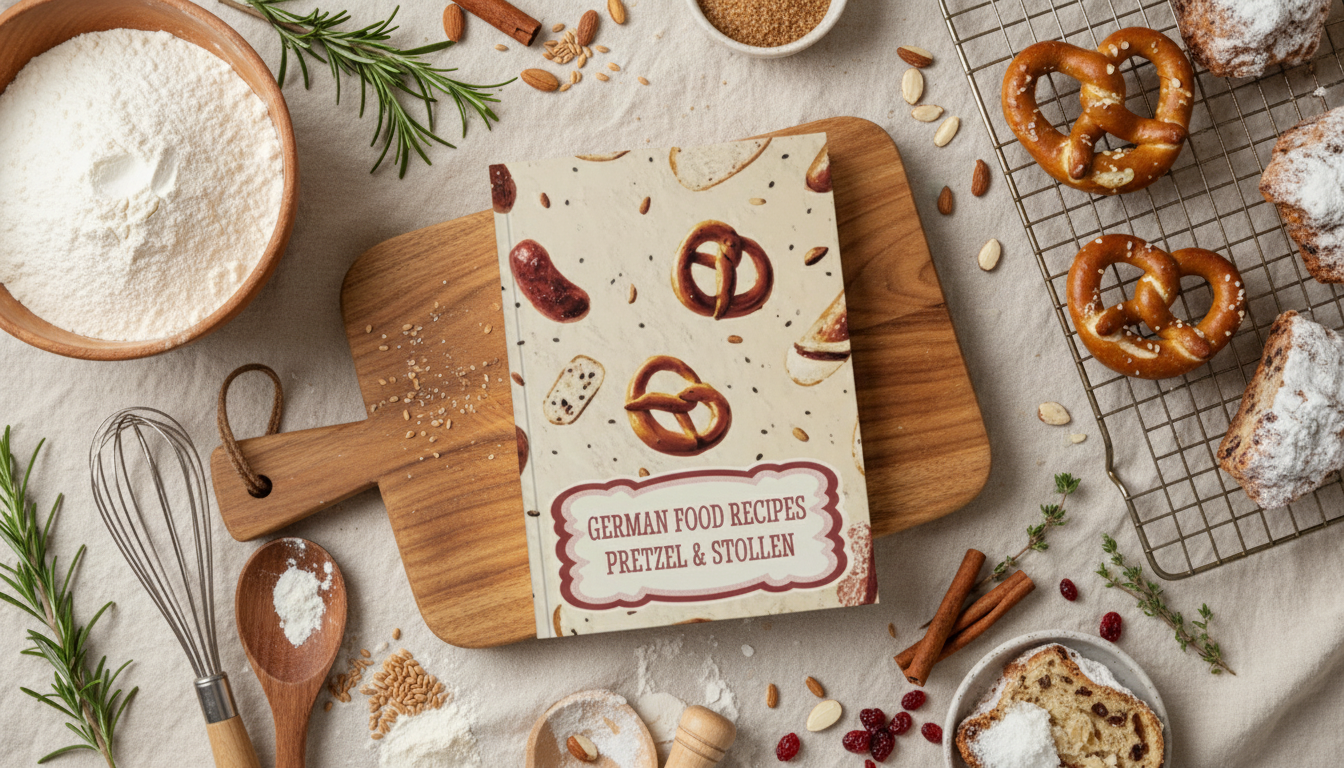
Soft, dark-crusted pretzels and fragrant, fruit-studded stollen are two of Germany’s most beloved bakes—especially when the holidays call for shareable, make-ahead treats. This digital guide brings classic methods together with practical updates for today’s home kitchen, with clear steps, timing help, and tips that make the process feel approachable whether the goal is a weeknight pretzel tray or a stollen that tastes better after a few days of resting.
If you want a single, organized resource you can keep on the counter while you work, the German Food Recipes Pretzel & Stollen digital PDF guide keeps the process streamlined—especially helpful when you’re juggling proofing times, oven heat, and holiday prep.
Pretzels are deceptively simple: the ingredient list is short, but the technique is where the magic happens. The guide focuses on repeatable cues—how the dough should feel after kneading, what “relaxed” dough looks like after resting, and how to shape with confidence so every twist bakes evenly.
A well-kneaded pretzel dough develops the stretch needed to form long ropes without tearing. Rest times matter just as much as kneading—short rests help gluten relax, making shaping smoother and reducing snap-back. For home bakers, a reliable timetable (mix, rest, shape, brief proof, dip, bake) is the difference between “pretty good” and bakery-style.
The classic pretzel shape depends on consistent rope thickness. Thin “arms” dry out and tear at the twist; overly thick centers can bake up bready instead of chewy. Aim for even pressure as you roll, and keep the twists tight enough to hold their definition once the dough puffs in the oven.
That deep color and distinct pretzel chew comes from a quick pre-bake dip/boil step. It changes the surface so it gels and browns more dramatically during baking. If you’ve ever made pretzels that looked like plain dinner rolls, this is the step that usually needs attention. For additional technique context, see guidance from King Arthur Baking, which covers home-friendly pretzel methods and common pitfalls.
| Issue | Likely cause | Fix for next batch |
|---|---|---|
| Pale crust | Dip/boil step too short or oven not hot enough | Extend dip time per recipe and fully preheat oven |
| Pretzels tear at the twist | Under-rested dough or uneven rope thickness | Increase rest time and shape with even thickness |
| Dense interior | Under-proofed dough or too much flour while shaping | Proof longer in a warm spot; use minimal bench flour |
| Soft crust after cooling | Steam trapped in container | Cool completely uncovered; store loosely, then re-crisp briefly |
Stollen is a rich, celebratory loaf with deep roots in German holiday baking. Traditionally, it’s brushed with butter and coated in sugar after baking—then wrapped to rest so the crumb stays moist and the aroma develops. If you’re curious about its history and place in European baking culture, Encyclopaedia Britannica’s overview of stollen offers helpful background.
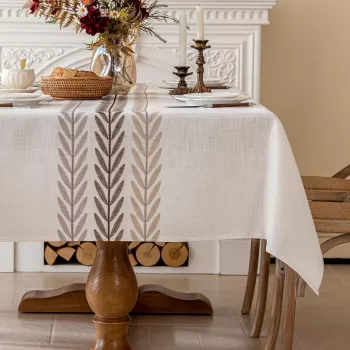
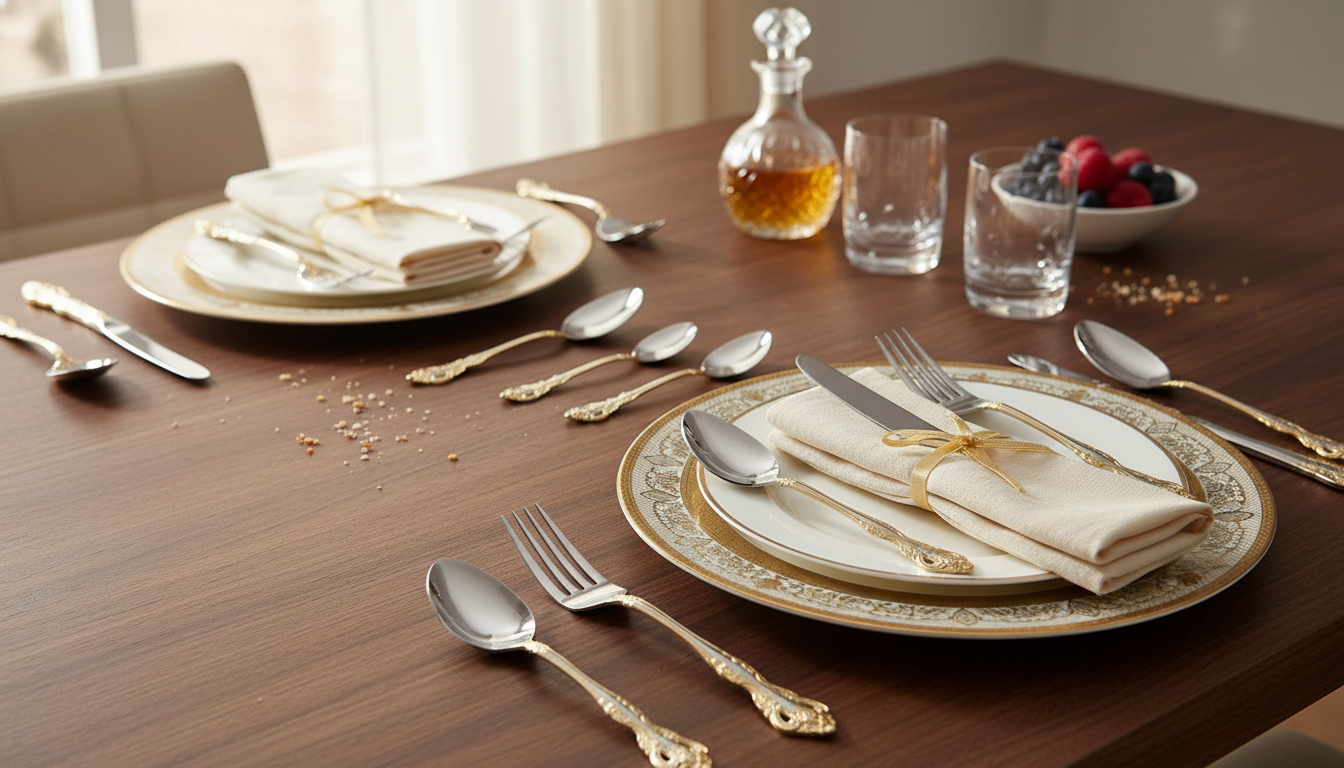
For a holiday-ready presentation, set your cooled loaves and pretzel tray on an embroidered tassel tablecloth for a festive baking spread, and keep mix-ins within reach on a wooden wall shelf for organizing jars, spices, and baking tools.
| When | Pretzels | Stollen |
|---|---|---|
| 1–2 days before | Measure ingredients; plan toppings; prep dips | Soak/condition fruit; assemble spices; prepare pans |
| Baking day (morning) | Mix, proof, shape, dip/boil, bake | Mix, first rise, shape, bake |
| Baking day (after baking) | Cool uncovered; serve or store loosely | Brush with butter; coat; wrap after fully cool |
| 2–7 days after | Refresh briefly in oven if needed | Slice after resting for deeper flavor and cleaner crumb |
Let pretzels cool fully before storing to avoid trapped steam that softens the crust. For stollen, wrap only after it’s completely cool so the finish stays neat and the loaf doesn’t get tacky. For general storage and leftover handling guidance, review recommendations from the USDA Food Safety and Inspection Service.
For a lighter touch of kitchen décor while you bake, the Cartoon Chef Kitchen Wall Sticker adds a playful accent near a breakfast nook or baking station.
Yes. It’s designed for home kitchens with clear steps, practical timing, and technique notes that explain essentials like proofing and shaping using basic equipment.
Many bakers prefer stollen after a few days of resting, when the flavors meld and the crumb slices more cleanly. Depending on the recipe and storage, it can continue improving for up to a couple of weeks.
In most cases, a PDF can be saved to your device for offline viewing and printed for personal use. Printing and offline access can vary by device settings and your printer setup.








Leave a comment