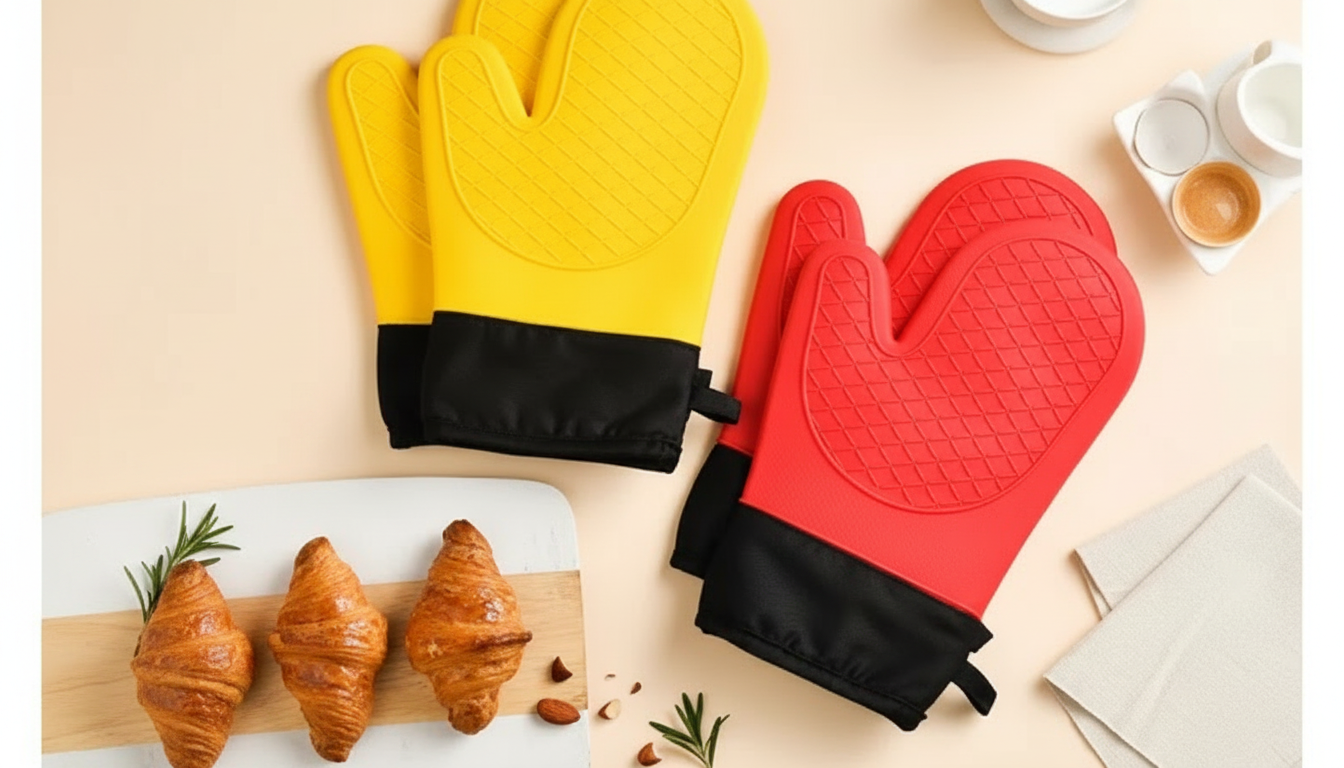
Hot trays, heavy roasting pans, and slippery lids can turn everyday cooking into a burn risk. A heat-resistant, non-slip silicone oven glove helps improve grip and control while shielding hands and wrists during baking, grilling, and stovetop work. Below are the practical details that make a silicone glove feel more “professional,” what specs are worth checking before first use, and how to keep the glove clean and dependable over time.
Not all oven gloves handle the same under pressure. The best-performing silicone gloves tend to share a few traits that show up in day-to-day cooking.
Even a well-made glove can underperform if it’s the wrong shape, length, or fit for how you cook. A quick check helps match your glove to your kitchen habits.
| Feature | Why it helps | Best used for |
|---|---|---|
| Textured silicone grip | Reduces slipping on smooth or greasy surfaces | Lifting sheet pans, Dutch ovens, glass lids |
| Extended cuff | Adds wrist/forearm protection near oven racks | Reaching into ovens, rotisserie tasks |
| Flexible body | Improves dexterity compared with bulky mitts | Grabbing handles, adjusting racks, moving bakeware |
| Easy-clean exterior | Wipes clean after splashes and drips | Sauce work, basting, sticky marinades |
A glove improves protection, but technique is what keeps moments of heat from turning into accidents. Small habits—especially around moisture, weight, and placement—make a big difference.
For broader kitchen safety guidance—especially for preventing cooking-related fires—review tips from the U.S. Fire Administration. For technical standards around heat and flame protective gear, see ASTM International.
Silicone’s traction depends on a clean surface. Built-up oils and sugar residue can create a slick film that feels like “the glove stopped working,” even when the material is intact.
A 1-piece glove can be the right choice for many kitchens—especially when most tasks involve quick, one-handed contact. The key is recognizing when weight and distance call for two points of control.
If you want a straightforward upgrade for safer handling, the Heat Resistant Non-Slip Silicone Oven Glove is built around the essentials: traction, heat protection, and quick cleanup.
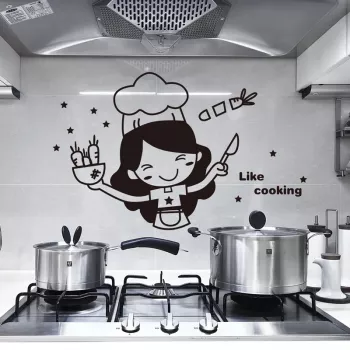
To round out a safer, more organized cooking space, small add-ons can help you keep “hot zones” clear and make tools easier to grab quickly. Consider a visual reminder like the Cartoon Chef Kitchen Wall Sticker, or protect dining and serving areas with the Embroidered Tassel Cotton Linen Tablecloth when hot dishes are moving from kitchen to table.
Yes for handling hot tools, lids, and cookware, but avoid direct contact with open flames and follow the manufacturer’s heat guidance and contact-time limits.
Heat resistance isn’t the same as total insulation; long contact times, very high temperatures, steam/moisture, and thin spots can let heat transfer through.
Wash with mild soap and warm water, remove oily residue promptly, and dry completely; a clean, residue-free surface maintains traction.









Leave a comment